Vermont Slate Company Roofing: Popular for a Good Reason
From the first spark of a winter sun on a slate rooftop to the quiet roar of a thunderstorm above a home clad in Vermont slate, I’ve seen how this material transforms not just a building’s exterior but its entire story. I’ve spent years working with roof systems, negotiating the delicate balance between beauty, durability, and predictable performance. Vermont slate stands out in that balance, and over the years I’ve come to believe it’s popular for reasons that go beyond superstition or trend. It’s a choice that ages with grace, carries a quiet confidence, and rewards homeowners with a lifetime that’s measured in decades rather than seasons. In this guide, I’ll share practical insights, real client stories, and the transparent counsel I offer to every project. If you’re weighing slate against other options, you’ll find the clarity you need here.
Historical context and the Vermont slate story
Slate has been used for centuries on high-end residential and institutional projects, prized for its shear resilience and refined aesthetics. Vermont, with its time-honored quarries and meticulous craft tradition, has cultivated a slate product distinguished by consistent thickness, subtle color variations, and a natural gloss that deepens with age. The material’s geological formation yields a compact, fracture-resistant surface that resists weathering and behaves beautifully under load. In the field, you’ll notice slate’s quiet, solid presence—a roof that looks as if it has always belonged to the structure and will still be there long after many modern composites have faded.
When I first started specifying slate for roofs in earnest, I watched homeowners transform their curb appeal and perceived value in a way that leather-bound books exude old-money charm. The Vermont slate story isn’t merely about stone; it’s about craftsmanship, long-term reliability, and a timeless aesthetic that pairs with traditional and contemporary architecture alike. This heritage translates into practical benefits: fewer color shifts, longer service life, and a roof that remains functional under heavy snow loads without sacrificing beauty.
Material properties that matter for longevity
Slate’s allure isn’t merely cosmetic. It’s a product of physics, geology, and a disciplined install process. Vermont slate usually features a high compressive strength, great impact resistance, and a low water absorption rate. These properties translate to superior freeze-thaw performance—a critical consideration in colder climates where repeated freezing cycles can degrade lower-grade materials.
Another advantage is slate’s low maintenance footprint. A properly installed Vermont slate roof can go decades without the need for frequent repairs. When maintenance is required, it tends to be targeted and straightforward because slate is a modular material. Damaged tiles can be replaced without tearing down large sections of the roof, which keeps costs predictable and minimize disruption to the home.
From a practical standpoint, you’ll want to know about the underlayment system, the battens, and the vertical alignment of the slates. Proper spacing and secure fastening are essential to prevent movement during heavy winds or heavy snow accumulation. I’ve seen installations where meticulous layout and precise nailing patterns saved homeowners from expensive rework after a severe storm. The lesson is simple: invest in quality materials and a rigorous installation plan, and Vermont slate will reward you with a roof that feels substantial and performs reliably.
Installation best practices that protect value
The best slate installations start with a robust framing assessment. If the roof deck isn’t perfectly flat, you’ll either compensate with shims or adjust underlayment to ensure clean lines and correct slate alignment. This step can feel fussy, but it pays off in the long run with fewer cracked slates and less wind-driven movement.
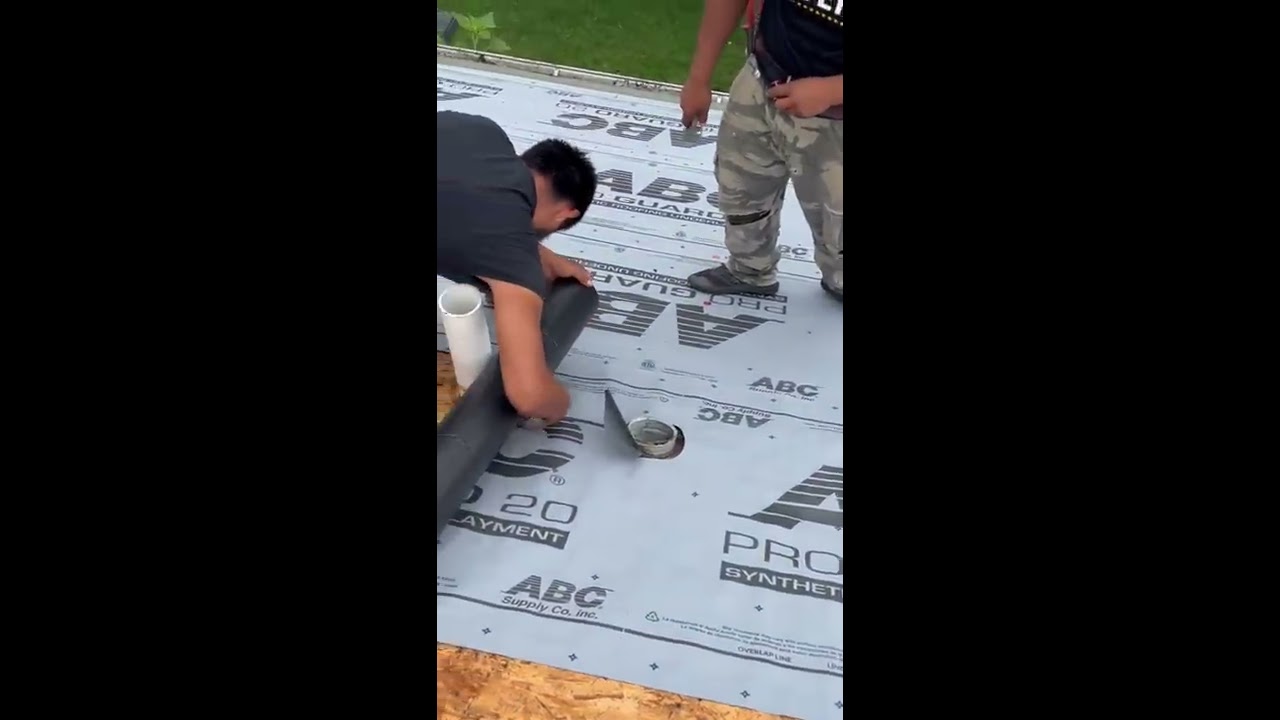
Next, the choice of underlayment matters. A quality synthetic or bituminous underlayment acts as a secondary barrier against moisture and helps accommodate minor deck irregularities. The fasteners must be corrosion-resistant and selected for long life in the local climate. Many Vermont slate projects benefit from copper or stainless steel nails that resist corrosion. The result is a roof that breathes without allowing moisture to penetrate, an essential balance in the Northeast’s variable weather.
Layout planning is another area where experience shines. Slate is heavy, so a well-designed roof plane that evenly distributes loads across rafter systems helps prevent sagging and uneven surfaces over time. We prototype layouts on paper, then verify with physical mockups on the roof. This approach reduces the chance of misfit slates and ensures a cleaner, longer-lasting finish.
Client success stories: real experiences with real homes
One client contacted us after a hailstorm damaged a century-old Vermont house. The slate roof had weathered many storms and carried character but showed signs of aging. We proposed sourced Vermont slate to maintain authenticity, paired with a modern underlayment system. The result was a roof that looked as if it had always been there—only now it carried a robust, low-maintenance shield. The project completed on schedule, and the client reported a dramatic drop in maintenance visits and a noticeable improvement in indoor comfort during winter.
Another homeowner with a solar array on a slate roof wanted to preserve the aesthetic while integrating solar performance. We designed a system that accommodated the solar equipment without altering the slate’s appearance. The installation maintained the roof’s sleek profile, and the panels effectively captured energy see more here without disturbing the roof’s integrity. In both cases, the conversation centered on value, not just upfront cost, and the homeowners gained confidence in the long-term resilience of their roofs.
Maintenance and long-term value: care that sustains elegance
Slate roofs are not maintenance-free, but maintenance is predictable and relatively simple. A periodic inspection—twice a year, ideally after winter and before heavy storm seasons—helps identify loose or cracked slates, flashing issues, and gutter clogs. Gutter cleanliness is important because standing water can back up and affect the roof edge. If you spot cracked slates, replacement should match the existing slate in color, thickness, and texture to preserve the roof’s visual harmony.
Cleaning isn't about aggressive scrubbing; it’s about keeping the surface free of debris that can trap moisture or corrode metal fasteners. A soft brush and mild cleaning solution usually suffices, and professional maintenance can be scheduled to minimize risk of accidental damage. The long-term value of a properly maintained Vermont slate roof is measured in decades of protection, not just years of service. Homeowners frequently report a higher perceived value of the property because slate roofs exude premium quality and a sense of permanence.
Cost considerations and return on investment
The initial cost of Vermont slate is higher than many asphalt or composite options, but the total cost of ownership often tells a different story. Slate’s long service life reduces replacement frequency, lowers maintenance costs, and preserves curb appeal that supports resale value. When you compare cycles of replacement, slate often yields a lower lifetime cost despite the higher upfront investment.
A practical approach is to view slate as a capital asset rather than a simple building material. The costs are front-loaded, but the benefit is enduring. Insurance considerations may also come into play, as slate roofs can positively influence premiums due to their resilience to wind and hail when properly installed. We’ll walk you through an itemized cost estimate, including material allowances, fasteners, underlayment, flashing, and the labor for the meticulous layout and installation.
Choosing the right contractor and safeguarding your investment
You don’t just buy slate; you hire a team that respects the material’s nuances. Look for installers with a proven slate portfolio, references from homeowners with similar climate and architecture, and a transparent permit and warranty process. Request a detailed scope of work that includes slating pattern, nail type, underlayment, flashing details, and a see more here plan for potential crack replacement. Ask about containment measures during installation to protect landscaping and neighbor properties. A well-chosen contractor doesn’t just deliver a roof; they deliver peace of mind.
Here’s a quick checklist to help you evaluate candidates:
- Demonstrated slate experience on projects of similar scale Clear, itemized estimates with contingencies explained Solid warranty covering both materials and workmanship Evidence of clean safety practices and site protection Availability of cross-referenced client testimonials
Table: Comparison of Vermont slate with common alternatives
| Feature | Vermont Slate | Asphalt Shingles | Metal Roofing | |---|---|---|---| | Longevity | 80–150+ years | 20–30 years | 40–70 years | | Aesthetics | Natural, timeless | Varied, limited texture | Modern, industrial | | Weight | Heavy | Light to moderate | Moderate to heavy | | Maintenance | Low with proper install | Moderate to high | Low if installed right | | Resale impact | High | Moderate | Moderate to high depending on design |
Frequently asked questions
- What makes Vermont slate stand out for cold climates? Vermont slate has low porosity and excellent freeze-thaw performance, reducing the risk of water intrusion and cracking during winter cycles. How long does a Vermont slate roof typically last? With proper installation and maintenance, a slate roof can last 80 to 150 years, depending on slate quality and environment. Can slate be repaired if a slate tile cracks? Yes, damaged slates can be replaced individually without redoing the entire roof, preserving the original look. Is slate heavier than other roofing options? Yes, slate is among the heavier roofing materials, which means structure assessment and proper framing are crucial. Do slate roofs require special underlayment? Yes, a durable underlayment suited to long-term moisture protection is recommended to complement slate. How does installation impact warranty coverage? A thorough, correctly executed installation is essential for warranty validity. Always ensure the contractor provides a clear workmanship warranty.
Conclusion: why the Vermont slate choice resonates with luxury and longevity
Choosing Vermont slate isn’t just about selecting a premium material; it’s about adopting a philosophy of enduring value. The natural beauty, resilient performance, and the narrative of craftsmanship embedded in each tile combine to create a roof that’s as iconic as it is protective. The right installation team respects that story and treats your home as a lasting legacy rather than a short-term project. If you’re seeking a roof that ages gracefully, performs reliably, and elevates your property’s character, Vermont slate stands out as a premier choice. The conversation doesn’t end at choosing slate; it continues with thoughtful planning, meticulous execution, and ongoing care that keeps your roof looking brilliant for generations.
FAQs and quick answers at a glance:
- How do I know if my house is a good candidate for Vermont slate? Houses with adequate roof framing, a design suited for slate, and a location benefiting from the material’s wind resistance are ideal candidates. An experienced roofer will assess structure, weight, and drainage before recommending slate. What is the typical lead time for Vermont slate roofing? Lead times vary by quarry supply, project scope, and weather. Expect several weeks from contract signing to delivery and installation, with longer windows for larger or historically-themed restorations. Will Vermont slate increase my home’s resale value? Yes. Slate’s premium look and durable performance frequently enhance perceived value and marketability, especially on classic or high-end homes. How often should slate be inspected? We recommend a professional inspection at least twice a year, with an emphasis on post-storm checks to catch any minor issues before they escalate. Can I install solar panels on a slate roof? Yes, with careful planning. A skilled installer can integrate solar systems without compromising the slate’s integrity or the roof’s aesthetics. What maintenance can I do myself? Light cleaning and debris removal are safe for most homeowners. Avoid aggressive scrubbing, which can loosen slates or wear metal components. Schedule professional inspections for more detailed maintenance.
If you’re great post to read ready to explore Vermont slate for your home, I can guide you through a transparent planning process, help you weigh options, and connect you with trusted installers who understand the nuance of slate. The goal is to deliver a roof that’s not only superb in appearance but also superb in performance for decades to come.